Eco-Friendly
Green Design
DMD staff is committed to “Green” design practices and principals and are leaders in pioneering such practices and principals. Examples below are studies and reports aimed at energy savings and more efficient design practices. DMD are truly an industry leader in this area.
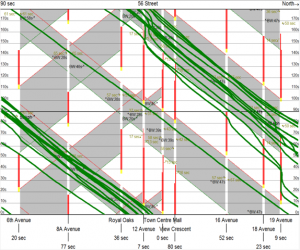
56th Street Corridor Traffic Signal Coordination
DMD & Associates Ltd. (DMD) were retained by the Corporation of Delta to optimize the coordination of 9 signalized intersections along the 56th Street corridor.
DMD undertook this project by first recording the existing traffic flow conditions by driving the corridor during the AM and PM peak times. DMD then modeled the corridor using both Synchro™ & Tru-Traffic™, traffic engineering simulation programs and optimized the traffic controller timings for all the intersections. The new signal timings were then tested and programmed in the traffic controllers. After the timings were implemented, DMD verified the coordination and measured of traffic flow with the Tru-Traffic ™ program which recorded and compared the before and after travel times.
Comparing the pre and post coordination travel times through the corridor, the average driver saves approximately 2 minutes when traveling through the corridor during the peak time periods. The 56th Street corridor travel time for the rush hour movements was reduced by 24% and 27% in the AM and PM peaks respectively.
The Corporation of Delta now has a coordinated signal corridor operating to maximum efficiency.
Using measured results and Natural Resources Canada’s Idling Calculator, the following annual environmental benefits can be estimated following the implementation of the optimized signal timing plans for the 56th Street corridor:
If 11730 driver(s) of light-duty vehicle(s) avoided idling for 2 minute(s) a day, this would:
- Reduce the use of 198,682 litres of fuel per year
- Save $276,168.30 annually
- Reduce 482,867 kilograms of GHG emissions per year
- Equal to taking 345 vehicle(s) off the road
- Mean each driver would save 16.94 litres of fuel, $23.54 in fuel costs, and contribute to reduction of 41 kilograms of GHG emissions, annually
- Equal to having 2,897 tree(s) planted to absorb GHG emissions
Reducing Driver Frustrations and going Green through Optimizing Traffic Signal Operation
Traffic signals are part of our day to day driving experience and thus have a major impact on travel. As Cities grow and traffic increases the challenge is to maximize the efficiency of traffic signals by reducing vehicle delays. In a recent survey undertaken by the US Federal Highway Authority (FHWA), 50% of those surveyed noted signal timings should be improved and 36% noted signal timings should be checked and refined more often. This is significant as much can be done inexpensively to improve signal operation by refining controller timings.
Gasoline powered motor vehicles are key contributors to air pollution. When vehicles stop and go at red lights and subsequently accelerate, excess fuel is consumed producing additional carbon dioxide emissions. By optimizing signal timings, the number of stops and idle time can be reduced thus reducing carbon dioxide emissions. This has been confirmed on past projects where DMD & Associates Ltd. (DMD) were retained to optimize the coordination of corridors with signalized intersections. As you will see from the results below, signal coordination can have a huge benefit in reducing both carbon dioxide emissions and vehicle delays.
When optimizing signal coordination, DMD methodology involves first recording the existing conditions by driving the corridor repeatedly during each time of day plan using GPS based software. DMD then models the corridor using traffic engineering simulation software and optimize/refine the traffic controller timings for all intersections in the corridor. The new signal timings are then simulated in controllers in our shop and further optimized/refined and then installed in the traffic controllers in the field. After the timings are implemented, DMD verify the coordination and measure the improvement of traffic flow by repeatedly driving the corridors in peak periods and recording the results using GPS based software and then comparing the before and after travel times. If required, further refinements are made.
The key with this process is the actual before and after assessments by repeatedly driving the corridors. The results are not based solely on software simulations; they are based on actual flow of traffic in peak periods. The results from our last five projects speak to the success of our methods.
Using measured results and Natural Resources Canada’s Idling Calculator, the following annual environmental benefits can be achieved following the implementation of the optimized signal timing plans for the corridors listed.
Upon completion, the signals in the corridors listed to the right are now operating to maximum efficiency by simply refining signal timings. Comparing the actual pre and post coordination travel times through the
corridors, the average driver travel time in the peak periods is reduced by approximately 26 %. It is important to note these projects are not randomly selected the results are based on the last five optimization
projects DMD has completed.
Improving signal operation by updating signal timings is a cost effective solution to reduce delays, driver frustrations and GHG emissions. So why should you consider DMD for this type of work? Simple - we have produced outstanding validated results on past projects. We bring a strong knowledge and passion to each project. We offer a cost effective method which can be undertaken in a short time period.

City of Lethbridge Street Lighting Standards
The City of Lethbridge required a Roadway and Community Lighting Manual which will include guidelines for the planning, design, operations, maintenance and construction of the City’s street and community lighting system. In addition, updates from the 2006 Edition of the TAC Guide for the Design of Roadway Lighting will be incorporated where applicable within the manual. The City wished to reduce power consumption therefore the project also included a review and cost benefit analysis of LED’s and adaptive lighting controls to be incorporated into the Lighting Manual.
City of Edmonton Light Efficient Community Policy
The goal of this project was to develop a Light Efficient Community Policy for all City owned lands and properties including all outdoor road right-of-ways, building facades and exteriors, outdoor facilities, parklands and other City owned lands. This project involved research, investigation and recommendations of best practices for the efficient use of lighting with respect to light pollution, power consumption, reduction in green house gases, and provisions for public health and safety. The project involves the City, Edmonton Federation of Community Leagues, Light Efficient Communities Coalition (LECC) and other stakeholders and special interest groups.
The project included extraction of GIS lighting data and an assessment of existing lighting along with field lighting measurements. A map was developed showing existing illumination levels and developed a strategy to prioritize street lighting upgrades to address identified deficiencies, taking into account capital, operating and maintenance cost. To do this we obtained GIS data from the City to define typical light pole spacing, mounting heights, road types, widths, etc and undertook lighting calculations using photometric files assumed to match those luminaires which exist.
LED Lighting
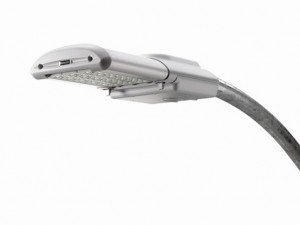
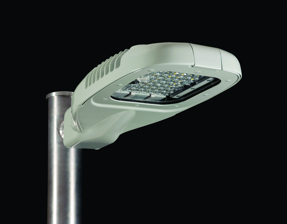
LED lighting has been proven to reduce energy consumption by 40-60% in various street lighting applications. The technology is new and very complex in terms of the calculation of light loss factor and defining product operational requirements. Many products with varying optical system and performance claims exist which further complicates the selection process. Industry specifications have often failed to keep up with the rapidly evolving technology. DMD have been involved in numerous projects involving the development of LED specifications, performance standards, defining warranties, performance testing and validation.
DMD have recently developed innovative specification and performance standards to better define the selection process. Recent project involving LED specifications, selection, standards and field testing are as follows:
- Weigh Scale LED Lighting Pilot – This project involved the development of LED specifications and purchase documents along with an innovative point score rating system. Lighting calculation were also created to assess luminaire performance.
- City of Ottawa (CICP) LED Review - This project involves the development of testing and field measurement criteria, along with review of integrating sphere testing and on going field measurement of LED lighting over an 18 month period based on testing criteria defined by DMD. Following the field measurements DMD will prepare a report to assess the depreciation of the light output and the accuracy of the GPS based dimming system.
- City of Thunder Bay LED Specifications - This project involved the review of LED technologies, preparation of specification which defined energy efficiency via innovative unit power density system and evaluation, review of suppliers products and recommendations for LED products based on review of supplier submissions.
- City of Surrey LED Specifications - This project involved the development of LED design specifications and product supply specifications. The work also included a review of LED technologies, preparation of specification which defined energy efficiency via innovative unit power density system and evaluation, review of supplier’s products and recommendations for LED products based on review of supplier submissions.
- City of Edmonton LED Specifications - Developed specifications and approval process for LED street lights.
- City of Fort St. John LED Specifications - Developed specifications and approval process for LED street lights.
- City of Coquitlam LED Specifications - Following an LED pilot project, where the fixture was selected as a result of the relationship between their sister City in Korea, the City saw the need for a LED specification. DMD developed specifications and approval process for LED street lights.
- City of Surrey LED Luminaire Evaluation - DMD have set-up a test road where LED luminaires are installed and light levels measured and documented. To date we have evaluated over a dozen different LED luminaire supplier products.
- City of Coquitlam LED Pilot and Adaptive Lighting Pilot Project - DMD set-up and coordinated the replacement of 10 HPS luminaires with new LED luminaires with adaptive lighting controls (dimming) and the retrofit of 10 existing cobra head luminaires with adaptive lighting technology. Following the installation DMD field measured light levels and prepared detailed report on the installation along with defining the many lessons learned.
- Nova Scotia LED Pilot Project - LED Roadway Lighting Limited (LRL), ecoNova Scotia, Conserve Nova Scotia, and Natural Resources Canada partnered in a pilot project to retrofit existing street lights with new LED street lights in 19 communities throughout Nova Scotia. To the best of our knowledge this is one of the largest LED street light demonstration projects undertaken in Canada. Eleven hundred (1,100) existing high pressure sodium cobra head street lights have been converted to LRL’s LED Satellite series street lights. The installation involved street lighting on various municipal roads, Halifax’s Stanfield International Airport roads and parking lot and provincial highways. DMD & Associates Ltd. were retained to review the computer lighting calculations and design factors brought forward by the supplier, review testing procedures and calculate energy savings for this pilot and produce a detailed report on LED lighting.
Adaptive Lighting
Adaptive lighting has shown significant potential for energy savings based on numerous pilot projects and studies undertaken. It has the potential to save 20-40% of typical city energy consumption. From the projects listed below DMD has gained much knowledge and understanding of how best to apply this technology and maximize energy saving while at the same time maintaining the required light levels. DMD have been on the forefront with respect to this concept and have undertaken numerous projects. These include:
- BC Hydro Adaptive Lighting Deployment Guide - DMD developed a guide for the selection and deployment of an adaptive lighting system on a City wide basis. The guide defined all steps and methods including how to determine dimming schedules, areas where adaptive lighting should not be considered (i.e.; intersections) and why, how to assess current lighting and define by how much one can dim and still meet required lighting levels and defined a calculator to determine energy savings. This is significant as much of this information could be applied throughout the country.
- BC Hydro PowerSmart Adaptive Lighting Studies - Adaptive lighting controls is a new concept gaining acceptance and popularity around the world. In simple terms, the concept involves reducing light levels in off peak periods when pedestrian activity levels are reduced to save power. Power saving can range from 20% to 40% which is significant. Don McLean has helped to shape the industry by developing adaptive lighting design practices in national standards publications such as the Transportation Association of Canada Roadway Lighting Design Guide, the International Municipal Signal Association Roadway Lighting II Certification document and via numerous articles in trade publications. DMD undertook a comprehensive review and prepared feasibility studies of adaptive lighting systems for over twelve Cities in British Columbia. The feasibility studies included a detailed inventory of existing lighting levels on 10% of the City’s roads with field confirmation via field light level measurements also included. This was done by accessing the City’s GIS data and undertaking computer lighting calculations to determine average illumination levels. We assessed the viability of adaptive lighting technologies and determined energy savings and costs for the retrofit of the adaptive lighting hardware into existing luminaires. The studies included recommended time of night dimming schedules along with logic and rational for such schedules and assessment of existing lighting levels and deployment strategy for entire Cities. Included were spreadsheets defining existing lighting levels of each road, what levels were required at the various times of the evening and the recommended percentage of dimming and power savings. Payback was also defined. This is significant as we understand new innovative lighting controls and how they can be of benefit in power savings.
- City of Calgary Adaptive Lighting Pilot Project - DMD was retained by the City of Calgary to undertake a comprehensive review and feasibility study and deployment of the Streetlight Intelligence Inc (STI) Lumen IQ adaptive lighting system for the 500 street lights within the City. DMD undertook a feasibility study to assess the viability of the technology and determine energy saving and costs for the retrofit of the STI Lumen IQ system into existing luminaires. The study recommended time of night dimming schedules along with logic and rational for such schedules, assessment of existing lighting levels and review of the technology and deployment strategy for the entire City
- BC Hydro Power Smart Prince George Adaptive Lighting Pilot Project - DMD was retained by BC Hydro to select and apply new energy saving technologies in the City of Prince George, BC and assess adaptive lighting technologies. Streetlight Intelligence Inc (STI) Lumen IQ was selected as the most suitable technology and a pilot project was undertaken by DMD on a section of arterial road in the City of Prince George. DMD assessed the technology, defined tests (thermal, photometric and vibration) to validate the technology, reviewed results, determined existing lighting levels, assisted BC Hydro in determining strategy of calculating energy savings as the system was un-metered, tested and validated such calculations, defined illumination levels based on recommend practice, worked with stakeholder to develop a time frame and method of system acceptance, worked with supplier to develop and enhance features such as database, dimming schedules, asset management features and retrofitting into existing fixtures. Payback was also defined. Don McLean won the Most Outstanding Paper Award from the Illuminating Engineering Society for his paper titled “Centralized Street Light Control and Monitoring Demonstration Project” and presented it in Tucson, Arizona. The paper was based on the adaptive lighting system installed in Prince George, BC.
- BC Hydro Power Smart Highway Adaptive Lighting Feasibility Study - DMD undertook a comprehensive review and feasibility study of the Streetlight Intelligence Inc (STI) Lumen IQ adaptive lighting system for the street lighting system within a 40km section of the major urban freeway Trans-Canada Highway in Vancouver, BC. It included over 500 high-mast luminaires and 500 cobra head luminaires. DMD prepared a 100 plus page feasibility study to assess the viability of the technology and determine energy saving and costs for the retrofit of the STI Lumen IQ into existing luminaires. The study included recommended time of night dimming schedules along with logic and rational for such schedules, an assessment of existing lighting levels, a complete third part safety review and deployment strategy for the entire corridor. Also included was a spreadsheet defining existing lighting levels of each road, what levels were required at the various times of the evening and the recommended percentage of dimming and power savings. Payback was also defined.
- NRCan Study - DMD reviewed and documented results of 22 adaptive lighting installation undertaken across Canada. We interviewed each of the 22 Cities who installed the adaptive system and results were documented in a report along with key finding and lessons learned.
Citywide Review of Street Lighting Illumination Levels and Practices, City of New Westminster
The purpose of the study was to conduct a review of the existing illumination levels for roads and sidewalks throughout the City in order to identify areas that may be deficient. The City has approximately 3200 street lights in their system. We developed a map showing existing illumination levels and developed a strategy to prioritize street lighting upgrades to address identified deficiencies, taking into account capital, operating and maintenance cost. To do this we obtained GIS data from the City to define typical light pole spacing mounting heights, road types, widths, etc. and undertook lighting calculations using photometric files assumed to match those luminaires which exist. We established lighting requirements for various areas based on the TAC Roadway Lighting Design Guide. Areas where lighting didn’t meet standards were highlighted on key plan drawings showing all roads in the City.
Other information covered included visual acuity Issues MH vs. HPS, pedestrian level lighting including research on vertical illumination levels enhancing pedestrian visibility, IDA Dark Sky Compliances, standards for development lighting (on and off site) including recommendations for limitations and reductions on over lighting. We also undertook a power point presentation to City Council that summarized study findings, defined proposed action and responded to questions and comments.
For this project DMD retained then services of Opus International to provide road safety information.
Union of Nova Scotia Municipalities Review of Energy Efficient Street Lighting Strategies
The UNSM, Nova Scotia Power Inc., Halifax Regional Municipality (HRM), and Conserve Nova Scotia have formed a Street-lighting Issues Committee to identify opportunities to work together on common street-lighting issues, with a goal of reducing energy costs and GHG emissions for municipalities through employing better energy efficient street-lighting strategies. This Street-lighting Issues committee decided to hire an engineering consultant to undertake a review of street-lighting standards, energy efficient technologies and best practices, and to develop a set of recommendations for more energy efficient street-lighting strategies for NS Municipalities. Through a competitive selection process the UNSM retained the services of DMD and Associates Ltd., a specialist electrical engineering firm from Surrey, British Columbia to undertake this assignment. Key review, examination and discussions as defined by UNSM and included in this report were:
- A comprehensive review and comparison of street-lighting standards (current and upcoming), current technologies, and common practices in use across Nova Scotia and a comparison with North America best practice street-lighting standards.
- A comprehensive review of energy efficient street-lighting best practices, industry standards, and energy efficient lighting and control technologies (including pilot projects that have been undertaken) that is being tested and utilized in other jurisdictions.
- An examination of light reflective technologies as an alternative to street-lights. These include retro-reflective pavement markings and delineator posts.
- A review of lighting controls, including individual photocells and remote control and monitor systems, compare with their various grades of sensitivity and accuracy, programmable or not, with respect to energy efficiency
- An examination of the benefits versus costs to changeover for existing metered applications and for utility owned, presently un-metered municipal property and street lights.
- A discussion of the economics and availability of the various energy efficient technologies (current and upcoming).
- A comprehensive review and discussion of programs used in North American and European jurisdictions that have implemented/rationalized energy efficient street-lighting strategies (e.g., Calgary and others).
- A comprehensive review and discussion of the key issues that may justify accelerate or impede the adoption of energy efficient street-lighting best practices, best streetlight standards and energy efficient technologies in NS.
Contact DMD
DMD & Associates Ltd
- #12-17358 104A Ave.
- Surrey BC V4N 5M3
- Canada
- Tel: +1 604-589-9010
- Toll Free: +1 877-249-8080
- Fax: +1 604-589-9012
- Email: info@dmdeng.com
- Map
Pacific Northwest PO Box
- 1770 Front St., PMB #267
- Lynden WA 98264
- USA
Arizona
- 4700 South Fulton Ranch Blvd #77
- Chandler AZ 85248
- USA
- Toll Free: +1 877-249-8080